Does Marijuana Cause Anxiety? What Research Reveals About THC and Your Anxiety Threshold
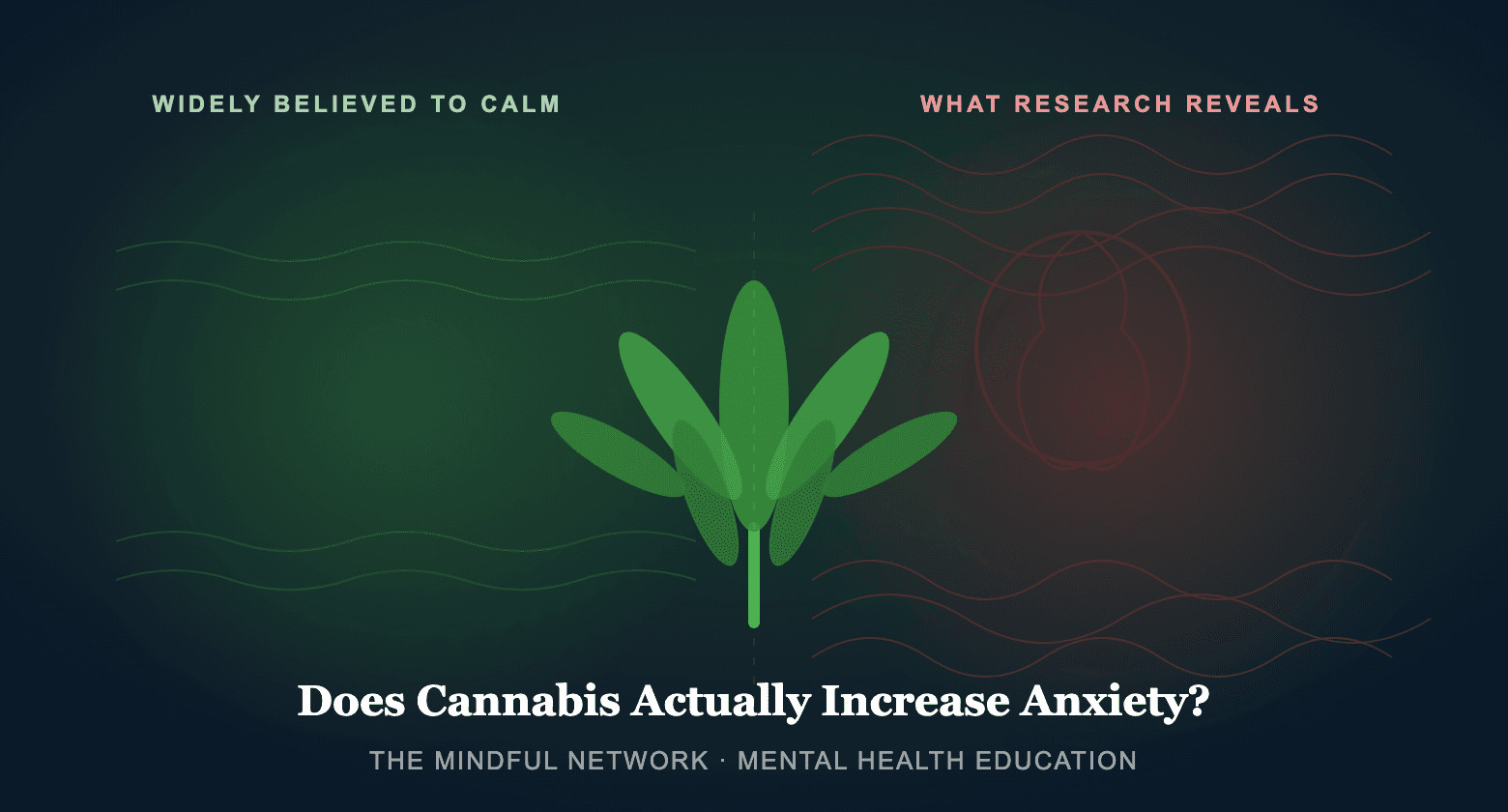
Millions of people reach for cannabis to take the edge off. But emerging research suggests that THC — the primary psychoactive compound in marijuana — may actually be making anxiety worse over time, not better.
Walk into almost any dispensary in South Florida and you’ll hear the same story: “I use it for anxiety.” Cannabis has become one of the most widely self-prescribed remedies for stress, worry, and anxious feelings. And in the short term, many users report that it helps. So what’s the problem?
The problem, according to a growing body of research, is what may be happening beneath the surface — specifically, what chronic THC use could be doing to your anxiety threshold.
The Myth: Marijuana Soothes Anxiety
The belief that weed calms anxiety isn’t without basis. At lower doses, THC activates cannabinoid receptors in the brain, triggering a release of dopamine and temporarily quieting the fear response in the amygdala — the brain’s alarm center. For many people, this creates an immediate sense of calm or euphoria.
CBD (cannabidiol), the non-psychoactive component of cannabis, has shown genuine anti-anxiety properties in small, mostly short-term clinical studies. But today’s marijuana is not your grandmother’s CBD oil. Modern strains of cannabis are significantly higher in THC potency than products available even a decade ago — and that changes everything.
“THC is dose-dependent. Low doses may reduce anxiety temporarily, while higher doses — which are increasingly common in today’s market — are consistently associated with anxiety, paranoia, and panic.” — Research consensus across multiple peer-reviewed studies
What May Be Happening to Your Anxiety Threshold
Here’s what the research suggests: with regular marijuana use, the brain begins to adapt. Cannabinoid receptors may become less sensitive — a process called downregulation. This means the brain could require more THC to achieve the same calming effect. But more critically, it may also mean your baseline anxiety level rises.
Think of your anxiety threshold as a dial. Before cannabis use, your dial might sit at a comfortable middle range. Regular THC use may begin to lower that threshold — meaning smaller stressors that never used to trigger anxiety start breaking through. Your nervous system becomes more reactive, not less.
The encouraging news: research also suggests that these brain changes are largely reversible after a few weeks of stopping use. Recovery is possible.
Research links regular cannabis use to a modestly higher risk of anxiety over time. The risk appears to be especially elevated for those who begin use in adolescence, when brain development is still underway.
The Stress Response: A Complicated Picture
Research on THC and the body’s stress response is nuanced. Some studies suggest that heavy, long-term cannabis users may actually develop a blunted stress response — meaning the body’s cortisol system becomes less reactive over time. While that might sound like a good thing, a flattened stress response can interfere with your ability to respond appropriately to real threats, and has been associated with emotional blunting and difficulty regulating mood.
This is part of why the relationship between cannabis and anxiety is more complex than “it calms you down.” The brain’s stress systems are finely tuned — disrupting them in either direction can create problems that outlast the high.
The Withdrawal Factor
Perhaps the most overlooked driver of cannabis-related anxiety is withdrawal. Many regular users don’t realize they’re experiencing anxiety as a withdrawal symptom between uses. As THC clears your system — typically within the first day or two after stopping — rebound anxiety can set in, sometimes feeling worse than the original anxiety that prompted use.
This is the lowered-threshold effect in real time: the temporary relief of weed is offset by heightened anxiety when it wears off, which then feels like evidence that you “need” cannabis to function. In reality, the cannabis itself may have become a driver of the anxiety it promised to solve.
It’s worth noting that about 9% of people who use cannabis go on to develop dependence — and anxiety is one of the most commonly reported withdrawal symptoms among that group.
What This Means If You’re Using Cannabis for Mental Health
If you’re self-medicating anxiety with weed, edibles, or THC products, this isn’t a judgment — it’s a call to get support from someone who can help you understand what’s actually happening in your brain. There are evidence-based treatments for anxiety disorders, including cognitive behavioral therapy (CBT), EMDR, and medication management, that address the root cause without the risks associated with THC and anxiety escalation.
In South Florida, qualified mental health providers who specialize in anxiety treatment, substance use, and dual diagnosis care are available — and finding the right fit matters enormously.
The Mindful Network connects you with licensed therapists, counselors, and psychiatrists across Miami-Dade, Broward, and Palm Beach counties. Search the directory to find a provider near you.
Cannabis affects everyone differently, and the research doesn’t suggest that every person who uses marijuana will develop an anxiety disorder. But the evidence points in a consistent direction: for a significant number of regular users, THC may be lowering your anxiety threshold rather than raising it — and that’s a conversation worth having with a professional.
Your mental health is worth more than temporary relief. If you’re struggling, help is closer than you think.