
The Baby Blues: What No One Really Tells You
We spend so much time planning for a baby — from trying, to staying healthy during pregnancy, and finally childbirth. It is a lot, yet also one of the most beautiful, unforgettable times in a woman’s life. To bring life into this world is an incredible feat.
What no one really prepares you for is what sometimes comes after — something often called the baby blues.
I remember what a big deal I made about finding the perfect “take me home” outfit. I had it all planned — the sweetest photo opportunity for my newly formed family. Never did I imagine I would leave the hospital in pain, with things having gone nothing like I planned, and holding a baby with dislocated hips. I walked out wearing pajamas (nice ones, but still PJs) and carrying a newborn who could not stop crying. When we got home, she wore the perfect outfit for five minutes before we changed her into something more comfortable. That set the tone for the next three months — she cried, and I cried right along with her.
Thankfully, she is now a healthy, wonderful adult, one of the greatest joys in my life. I was lucky to have strong family support, and while I did experience the baby blues, mine were not severe. I eventually found my footing.
But for many women, it is not that simple.
Understanding Postpartum Depression
Postpartum depression (PPD) is far more than moodiness or exhaustion. It is a medical condition: a complex mood disorder that affects up to 15 percent of new mothers. While up to 85 percent of women experience the baby blues, those symptoms usually resolve within two weeks. PPD lasts longer, feels heavier, and often interferes with a mother’s ability to function or bond with her baby. It does not reflect weakness. It reflects physiology, hormonal shifts, exhaustion, environmental stressors, and emotional overload.
Symptoms vary widely but often include:
- Persistent sadness or emptiness
- Intense anxiety or panic
- Irritability or anger
- Withdrawal from family and friends
- Difficulty bonding with the baby
- Disrupted sleep or appetite
- Feelings of guilt or inadequacy
These are not character flaws. They signal that mental health support is needed.
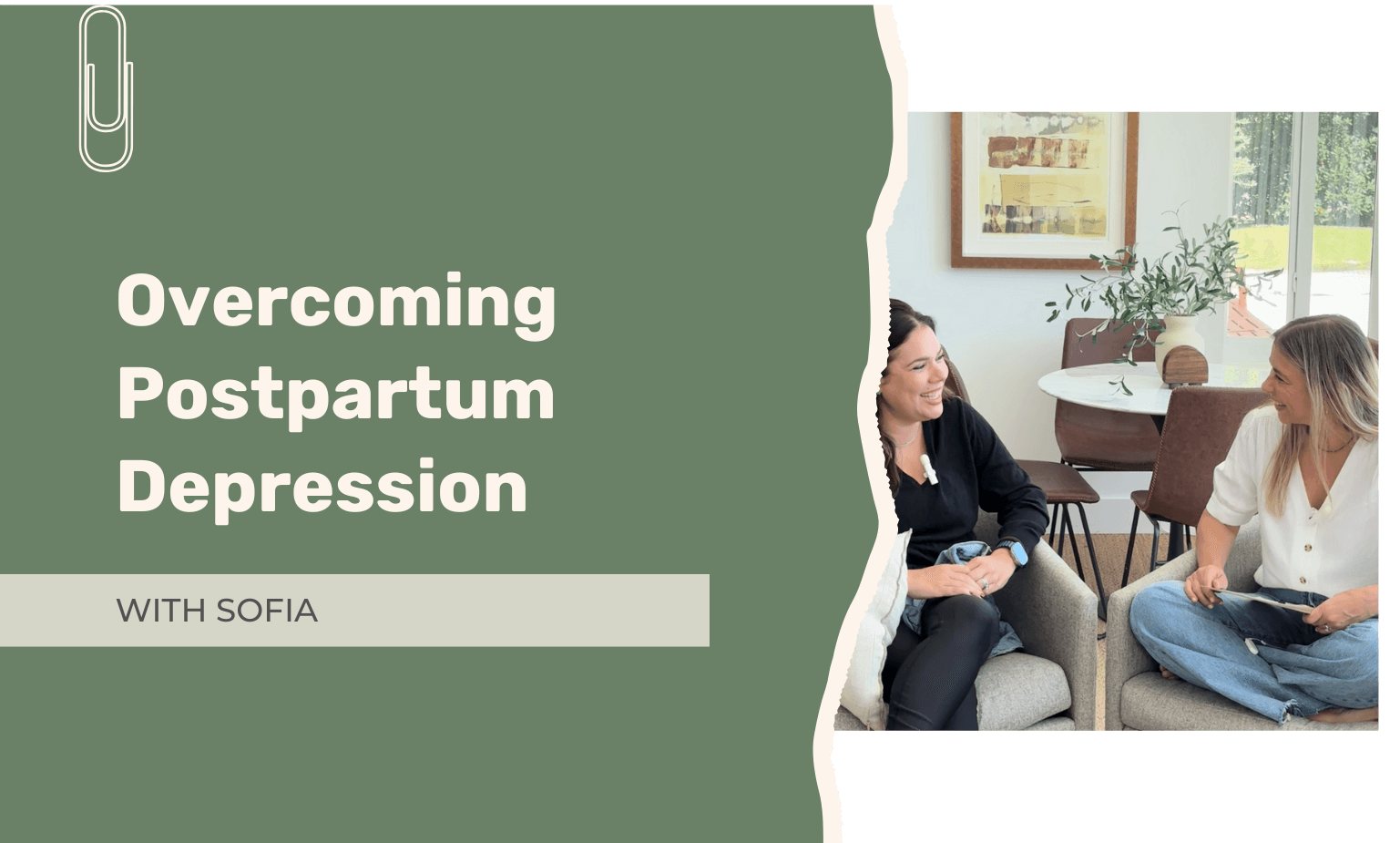
For more information about the real-life experience behind these symptoms, I spoke with my friend Sofia, whose story mirrors what so many new mothers face.
Sofia’s Story: “I Felt Like I Lost Me”
“You’re so exhausted,” Sofia told me. “Your body doesn’t look like yours… you’re just trying to survive, and help a baby survive at the same time.”
Her early postpartum experience looked like the baby blues. Then things intensified.
“I felt like I had lost me… it was all about the baby and nothing about me at that time.”
What was supposed to feel instinctive instead felt foreign.
“Why can’t I do the things that I know moms are supposed to do?”
The turning point came when her father stepped in.
“My dad asked me point blank, ‘Are you depressed?’ and I said, ‘Yes I am. This is not me.’”
That simple question opened the door to treatment, support, and a path forward.
Why Expert Counselors for Postpartum Depression Matter
Postpartum depression requires attention from a mental health professional who understands the unique challenges of new motherhood. Hormonal changes, sleep deprivation, identity shifts, and pressure to “bounce back” create conditions unlike any other life stage.
A specialized counselor brings training in perinatal mental health and understands the symptoms of Postpartum Depression — including anxiety, panic, intrusive thoughts, and bonding difficulties. This expertise ensures that treatment is targeted, compassionate, and safe for breastfeeding mothers when Medication Management is part of the plan.
Many types of Mental Health Professionals can help
- Licensed Clinical Social Workers and counselors: provide talk therapy, coping skills, and behavioral tools.
- Psychologists: offer diagnosis, assessments, and behavioral therapy modalities.
- Psychiatrists: manage severe cases, evaluate medication needs, and oversee medical condition-specific treatment.
Often, the best approach is collaborative: therapy plus medication when appropriate.
Evidence-Based Therapies That Work
There are several proven therapeutic approaches for PPD. Many mothers benefit from one or a combination of the following:
- Cognitive Behavioral Therapy (CBT): reshapes negative thought patterns and behaviors.
- Interpersonal Therapy (IPT): focuses on relationship changes, role transitions, and communication.
- Emotion-Focused Therapy (EFT): deepens emotional awareness and regulation.
- Group therapy: helps mothers feel seen, understood, and less isolated.
- Virtual Sessions: increase access and flexibility, especially when leaving the house feels overwhelming.
For more severe or trauma-linked PPD, therapists may integrate specialized treatments such as EMDR.
When Sofia began therapy, she learned firsthand how powerful these approaches, CBT in her case, can be.
“Nothing about this treatment was immediate,” she told me. “It was every day… but eventually it worked.”
The Role of Family, Friends, and Support Networks
PPD recovery is strengthened by a strong support system. Sofia’s story is a testament to this. Her parents, husband, and close friends rallied around her, ensuring she had support during her most challenging moments.
“If I don’t take care of myself, there’s no way this baby’s gonna be taken care of by me.”
That realization helped her stay consistent with therapy, medication, mindfulness, and small acts of self-care.
Organizations like Postpartum Support International provide hotlines, local groups, and directories to help families navigate postpartum mental health challenges. Community and communication are lifelines.
There Is Hope — And Help
“It’s all temporary. There is hope. There is relief,” Sofia said.
If you or someone you love believes they may be experiencing postpartum depression, help is available. Expert counselors for postpartum depression can guide you through this season with compassion and evidence-based care.
Let’s keep the conversation open. By sharing our stories and accessing the right resources, we remind one another that we are not alone — and that there is no shame in needing help during one of life’s most transformative journeys.
To find counselors for postpartum depression in South Florida, search our vetted database of professionals.
Related reading
Your Brain Believes What You Tell It — The Science Behind "I Am Enough"
Signs Someone May Be Struggling With Suicidal Thoughts (And How to Support Them)
Learn the signs of suicidal thoughts and how to support someone. A simple guide to recognizing warning signs and showing up with care.
How to Know When It’s Time to Change Therapists
Feel like it's time to change therapists, but not sure? Learn to read the signs itt's time to break up with your therapist, and find tips and next steps to protect your progress.