
The Power of Gratitude: A Daily Practice for a Calmer Mind
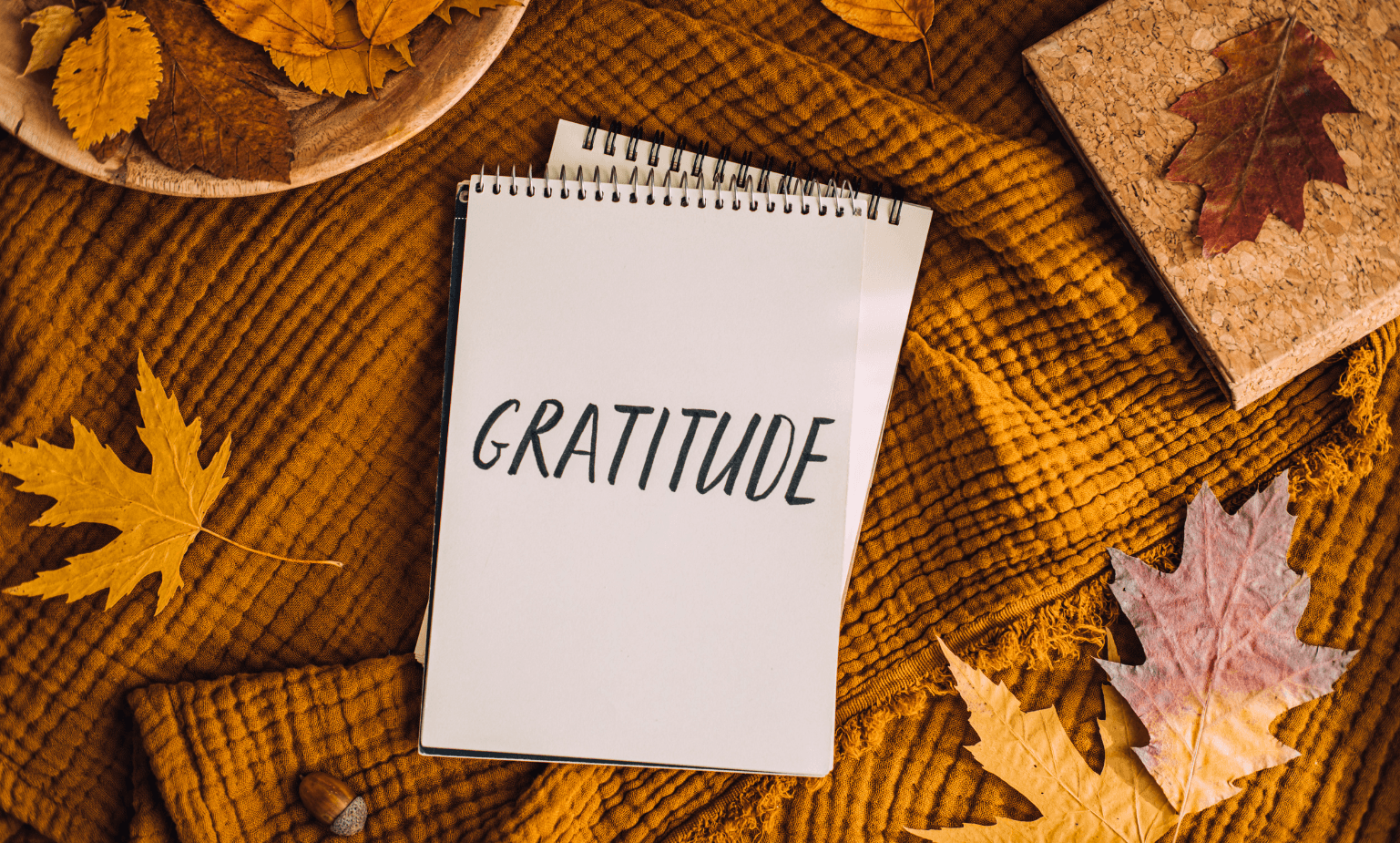
Lately, I’ve been starting my mornings with a quick gratitude check-in before looking at my phone or emails. It’s become a small daily routine — just a moment to pause and ask myself,
What am I grateful for today?
Sometimes the answer is simple, like the sunlight coming through my window or a quiet cup of morning coffee. Other times, it’s a reminder of the people and experiences that give meaning to my days.
Slowing Down
Even when life feels heavy, I try to find the lesson in what’s happening. It isn’t easy — some days gratitude feels far away — but when I manage to shift my perspective, something changes. My thoughts slow down, the day feels less urgent, and I notice a quiet sense of calm start to surface. That simple mindset shift often sets the tone for everything that follows.
It reflects a growth mindset, one that embraces challenges as part of our ongoing personal development and emotional well-being.
The Holidays
As we approach the Thanksgiving season, many of us get swept up in the noise — the plans, the gatherings, the to-do lists, and sometimes even the memories that aren’t so easy. The holidays can bring both joy and emotional overload. That’s why this time of year is such a good reminder to slow down and appreciate the small things. Gratitude doesn’t erase what’s hard, but it gives us a new lens — one rooted in positive psychology — helping us see what’s still good, even when life feels uncertain.
What’s powerful is that gratitude isn’t just an emotional or spiritual idea — it’s scientifically proven to change our brains. Neuroscience research shows that when we practice gratitude journaling, the brain releases feel-good chemicals like dopamine and serotonin, which boost mood and motivation. Gratitude also helps lower cortisol, the stress hormone that keeps our bodies in fight-or-flight mode.
Over time, this practice strengthens the neural pathways responsible for optimism, empathy, and emotional balance.
In other words, the more we practice gratitude, the easier it becomes to access calm and perspective when life feels overwhelming. It’s like training a mental muscle — every time we pause to notice what’s working, we make it easier to find our footing next time.
And it doesn’t have to be complicated. You can start by writing down three things you’re grateful for each morning, taking a mindful breath when something goes right, or telling someone how much you appreciate them. You might be surprised by how these small moments start to shift your entire mindset.
If it helps, move to a gratitude journal or a five minute journal and explore meaningful journal prompts like:
- What brought me joy today?
- What did I learn about myself?
- Who am I thankful for and why?
Incorporating this into your existing daily routines — whether after coffee or before bed — makes the practice easier to sustain and more impactful over time.
So as the holidays approach, let’s give ourselves permission to slow down. Let’s notice the details we often miss — the laughter at the table, the warmth of connection, the quiet moments in between. Maybe this season we invest in something simple: a small journal, a few mindful minutes, or a nightly check-in before bed.
Gratitude might seem small, but it’s powerful. When we make it a daily habit, it truly can become a life-changing practice — one that helps us find peace, even on the hardest days.